Event removals near Kentish Town Forum loading tips
If you are planning a show, conference, live gig, club night, or pop-up near the Kentish Town Forum, the loading part can make or break the day. A smooth removal run is one of those things nobody notices when it goes well, but everybody feels when it goes wrong. Stuck in the wrong lane, a trolley caught on a kerb, a van arriving ten minutes late, a stage flight case wedged in a narrow doorway... it is enough to throw the whole schedule off.
This guide to Event removals near Kentish Town Forum loading tips is designed to help you avoid the usual headaches. You will find practical advice on access planning, timing, vehicle choice, staffing, packing, compliance, and the small local details that matter around a busy North London venue. If you are organising an event load-in or load-out, or you just want to make the whole thing less chaotic, you are in the right place.
We will keep it grounded and useful. No fluff. Just the things that help you move equipment safely, finish on time, and keep everyone a little calmer when the pressure is on.
Table of Contents
- Why Event removals near Kentish Town Forum loading tips Matters
- How Event removals near Kentish Town Forum loading tips Works
- Key Benefits and Practical Advantages
- Who This Is For and When It Makes Sense
- Step-by-Step Guidance
- Expert Tips for Better Results
- Common Mistakes to Avoid
- Tools, Resources and Recommendations
- Law, Compliance, Standards, or Best Practice
- Options, Methods, or Comparison Table
- Case Study or Real-World Example
- Practical Checklist
- Conclusion
- Frequently Asked Questions
Why Event removals near Kentish Town Forum loading tips Matters
Loading for an event is not just about getting things from A to B. Near Kentish Town Forum, it is about timing, access, space, communication, and not turning a small logistics problem into a bigger one. The area can be busy, the streets can feel tighter than they looked on the map, and event days often create their own traffic pattern. That means your removal plan needs to be tighter than a standard house move.
When people search for event removals near the venue, they are usually trying to solve one of three things: how to get equipment in without delays, how to avoid damage to sound, lighting, and staging gear, or how to coordinate a crew so everyone is not waiting around looking at their phones. To be fair, that last one happens more often than people admit.
Good loading tips matter because they reduce friction. A well-planned load-in can save time, protect equipment, and keep venue staff on side. A messy one can lead to missed setup windows, extra labour, avoidable stress, and, in some cases, problems with parking or access permissions.
If you need broader moving support beyond the event itself, pages like removals services in South London and office removals are useful starting points for understanding how professional moving support is organised. For event-specific help, the same careful planning applies, just with more moving parts and less room for error.
How Event removals near Kentish Town Forum loading tips Works
The process usually starts before the van turns a wheel. In practice, the best event removals are built around a clear schedule: what is being moved, when it has to arrive, where it can be unloaded, and who is responsible for each handover. If you skip those basics, the day tends to get noisy very quickly.
Most event load-ins near Kentish Town Forum follow a similar pattern:
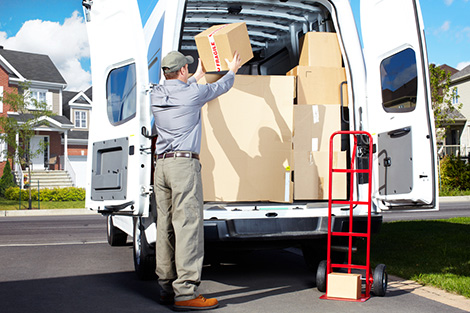
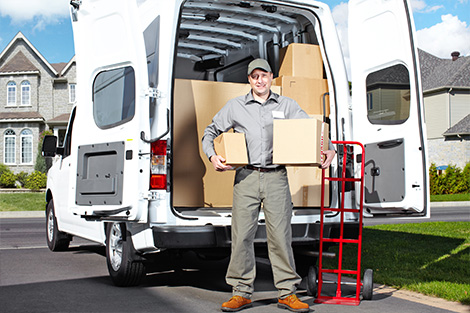
- Confirm the venue access point and the exact loading window.
- Check whether the vehicle can stop safely and legally near the entrance.
- Label equipment by zone, function, or stage order.
- Use the right handling gear for heavy or awkward items.
- Move high-priority items first so the core setup can begin.
- Keep a clear communication chain between the driver, crew, and venue contact.
That sounds straightforward, and most of the time it is. The catch is that event work rarely unfolds in a neat line. A delivery might run late, weather can make kerbside unloading harder, or a last-minute change might shift the door you expected to use. The job is really about planning for the awkward bits.
In many cases, the smoothest event removals use a short pre-event walk-through or at least a proper access briefing. Even a ten-minute conversation can reveal a low doorway, a narrow corridor, a shared service entrance, or a staircase that nobody mentioned in the original booking call. That sort of detail matters. A lot.
If you are moving a full office or mixed equipment before an event, the guidance on packing services and man and van hire can help you think through the level of support you actually need, rather than guessing on the day.
Key Benefits and Practical Advantages
The point of getting loading right is not just speed. It is control. Once you have control of the sequence, the equipment, and the access route, the rest of the event tends to feel more manageable. That calmer pace is worth more than people realise.
Here are the biggest practical advantages:
- Less damage risk: Proper lifting, padding, and route planning protect fragile kit, especially audio, lighting, screens, and branding materials.
- Faster setup: If the right items come off the vehicle in the right order, the crew can start building immediately.
- Fewer delays: Good access planning helps avoid circling, waiting, or carrying heavy items from too far away.
- Better crew coordination: Everyone knows where to stand, what to move, and what comes next.
- Cleaner venue relationships: Staff notice when a team is organised and respectful with access, noise, and timing.
- Lower stress: Let's face it, events are stressful enough without unnecessary loading drama.
There is also a commercial upside. If you are an agency, production team, or venue supplier, a clean loading process makes your operation look sharper. Clients may not comment on the van layout, but they do notice when the setup starts on time and the room feels under control.
Expert summary: the best event removals near Kentish Town Forum are not necessarily the fastest in a rush. They are the ones that combine careful access planning, sensible packing, and a crew that can adapt without losing the thread.
Who This Is For and When It Makes Sense
This kind of planning is useful for a surprisingly wide range of people. You might be putting on a small music night, coordinating a corporate presentation, or shifting production equipment for a multi-room event. The details change, but the problems are similar.
This guide is especially relevant if you are:
- an event organiser trying to keep build and break times under control
- a production manager juggling kit, staff, and venue access
- a performer or promoter bringing in backline, merch, or stage equipment
- a business arranging a launch, conference, or one-off activation
- a venue coordinator helping suppliers load in and out safely
- a local company that needs support from a trusted London man and van service for event logistics
It makes sense whenever the move involves timing pressure, limited access, heavier items, or multiple people working to the same deadline. Even if the job is only a few pieces of kit, the combination of a tight street, a busy venue, and a narrow window can turn a tiny move into a complicated one.
Truth be told, some of the trickiest jobs are not the biggest ones. A small event with expensive gear and a very short unloading slot can be more nerve-racking than a larger, slower move with room to breathe. Funny how that works.
Step-by-Step Guidance
If you want a practical way to approach event removals near Kentish Town Forum, use this sequence. It is not fancy, but it works.
1. Confirm the venue access details
Start with the basics: which entrance to use, what time loading is allowed, whether there is a dedicated bay, and where the crew should report on arrival. Ask about lift access, stairs, ceiling height, and any restrictions on trolleys or pallet trucks. A building can look simple from the outside and still hide a very awkward loading route.
2. Map the route and the parking plan
Check the likely approach route for your vehicle type. If you are using a larger van, think about road width, turning room, and whether the stop will block traffic. In a busy part of North London, a good parking plan is not a nice extra. It is part of the job.
3. Build the load list in the right order
List items by priority, not just by what fits in the van first. For example, if the stage needs to be built before lighting can go up, the stage materials should come out first. If a sound desk must be checked before doors open, it needs to be near the back of the vehicle or otherwise easy to reach.
4. Pack and label carefully
Use clear labels for cases, cables, props, signage, and fragile equipment. Colour-coding can help, especially when multiple people are unloading at once. If you have ever watched three people open the wrong case at the same time, you will know why this matters. Not ideal.
5. Assign clear roles to the crew
Someone needs to direct the handover, someone needs to manage the vehicle, and someone needs to keep an eye on equipment placement inside the venue. When nobody owns the sequence, people start helping in slightly random ways, which sounds useful until it is not.
6. Protect the high-risk items first
Fragile screens, lighting heads, mirrors, branded displays, and electronic units should be handled with extra care. Use padding, straps, corner protection, and proper stacking. If the item is awkward to carry, it will probably be awkward to park as well. That is the rule somehow.
7. Keep the break-down just as disciplined
Load-out is where many teams become a bit casual because the event is over and everyone is tired. That is when damage happens. Keep the same order, the same labels, and the same communication standards. A strong load-in routine should have an equally strong load-out routine.
Expert Tips for Better Results
A few small habits can make the whole job feel much smoother. None of them are dramatic. That is the point. Event logistics is usually won by the boring little decisions done well.
- Pad the schedule: Build in extra time for queueing, bad weather, and the occasional "where did that case go?" moment.
- Use fewer touchpoints: Every extra handover creates another chance for confusion, so keep the chain simple.
- Load by frequency of use: Items needed first should be easiest to reach.
- Keep a clean aisle in the vehicle: If every item has to be climbed over, unloading will be slower and riskier.
- Bring basic protection kit: Blankets, straps, gloves, tape, and a torch can save a lot of hassle.
- Brief the crew before arrival: A short, clear run-through on the move prevents a lot of mid-job guesswork.
One practical observation: a calm unload often starts with the van layout. If the first two items out are the exact pieces needed to start work, the entire team feels more organised within minutes. That early momentum helps.
You may also want to consider support from a specialist team that understands event timing and access pressure. For larger or more technical moves, professional packing help and wider moving support can be useful when you need a more structured approach than a standard courier-style drop-off.
Common Mistakes to Avoid
The same errors come up again and again, and most of them are avoidable. The tricky part is that they often look small until they start costing time.
| Mistake | What it causes | Better approach |
|---|---|---|
| Not confirming the loading window | Arriving too early or too late, missed access slot | Get the exact times and any restrictions in writing |
| Using the wrong vehicle size | Multiple trips, difficult parking, or incomplete load | Match the van to the volume and type of equipment |
| Poor labelling | Confused crew, slow setup, misplaced items | Label by area, function, and priority |
| Ignoring access obstacles | Struggles with stairs, door widths, or narrow corridors | Check the route before the event day |
| Leaving fragile items unsecured | Damage during transit | Use padding, straps, and stable stacking |
| Assuming everyone knows the plan | Miscommunication and wasted time | Give a short pre-move briefing and assign roles |
Another common issue is underestimating fatigue. After a long build or a late-night event, people tend to rush. That is when boxes get dropped, cables get bundled badly, and someone says, "It'll be fine," which is never the most reassuring sentence in logistics.
Try not to rely on memory alone either. A simple written sequence, even on a phone note, is better than three people remembering slightly different instructions.
Tools, Resources and Recommendations
You do not need a warehouse full of kit to make an event move work properly. A few sensible tools are usually enough, as long as they are used well.
- Moving blankets and wrap: Good for protecting cases, tables, screens, and delicate surfaces.
- Ratchet straps or tie-downs: Help keep the load stable in transit.
- Heavy-duty trolleys: Useful for equipment that should not be carried by hand over long distances.
- Labels and markers: Vital for keeping track of kit.
- Gloves and hi-vis clothing: Sensible when unloading near roads or in low-light conditions.
- Torches or headlamps: Handy for early starts, late finishes, or dim loading points.
- Floor protection: Useful inside venues to reduce scuffs and friction with staff.
For service options, it helps to compare what you actually need. A small lift-and-drop move may only need a man and van. A larger setup with equipment handling may be better suited to a fuller moving team. If you are dealing with multiple stops or a more complex schedule, local support such as Bethnal Green man and van can be part of a broader London logistics plan, depending on where the team and equipment are coming from.
A small but useful recommendation: ask for clarity on loading access before the booking is final. A good provider will not mind talking through the awkward details. In fact, the awkward details are usually where the value is.
Law, Compliance, Standards, or Best Practice
Event removals near a busy venue should always follow sensible UK road safety and workplace practices, even when the job feels informal. The exact obligations can vary depending on the venue, the vehicle, and the type of work being carried out, so it is wise to check the relevant requirements for your project rather than assume. That said, a few common best-practice themes apply almost everywhere.
- Safe loading: Heavy items should be lifted properly and stacked securely to reduce the risk of injury or damage.
- Traffic awareness: If a vehicle is stopping near a live road, crew should think about visibility, passing traffic, and safe unloading positions.
- Venue rules: Many venues have their own access instructions, time limits, and handling expectations. Follow them carefully.
- Manual handling: Use appropriate equipment and team lifts where needed. Don't be a hero with a giant speaker cabinet.
- Insurance and responsibility: If you are hiring help, clarify who is responsible for goods in transit, loading assistance, and any specialist handling.
Best practice is usually simple: keep the route clear, reduce unnecessary lifting, protect the load, and document any special access conditions before the day. If there are site-specific concerns, such as tight access, shared entrances, or restricted stopping space, handle them early and calmly. That calm bit matters more than it sounds.
If you are using a professional team, ask how they approach load security, equipment handling, and timing. A reliable mover should be comfortable explaining the process without jargon. Clear answers are a good sign.
Options, Methods, or Comparison Table
Not every event move needs the same setup. The right method depends on volume, value, timing, and access. Here is a practical comparison of common approaches.
| Method | Best for | Strengths | Limitations |
|---|---|---|---|
| Single van with small crew | Small events, light kit, quick turnarounds | Flexible, often efficient, easy to coordinate | Limited capacity, more risk if planning is poor |
| Dedicated event removals team | Medium to large events, technical kit, tight timing | Better handling, stronger process, clearer roles | Usually more coordination needed upfront |
| Mixed self-load plus support | Teams with some internal staff and some external help | Cost-flexible, useful for partial loads | Can become confusing without strong leadership |
| Multi-vehicle move | Large productions, multiple departments, oversized items | High capacity, can separate sensitive items | More moving parts and scheduling complexity |
If you are unsure which route is right, think about the riskiest part of the move, not just the total size. A compact but fragile event setup can need more care than a bigger but simpler load. That is the bit people miss.
Case Study or Real-World Example
Imagine a small music event scheduled for an evening start near Kentish Town Forum. The production team has lighting stands, a compact PA system, merch boxes, a backdrop, cable trunks, and a few fragile display items. The venue has a tight unloading window and a shared entrance, so the team cannot afford a sloppy approach.
The crew arrives with a pre-agreed plan. The van is packed in reverse order of use, meaning the first items out are the stage essentials. Labels are clear. The driver knows exactly where to stop. One person handles the vehicle, one person checks items off, and one person guides the route into the building. The event team gets the core kit inside without double-handling anything major.
What made the difference? Not luck. It was the small decisions made beforehand. The team had checked access, split fragile kit from bulk items, and allowed a realistic buffer for the traffic near the venue. There was still a minor hitch - a trolley wheel stuck on a slightly uneven threshold - but because the plan had breathing room, it became a small delay rather than a full-blown drama.
That is often how good event removals work in the real world. Rarely perfect. Usually orderly. And that is more than enough.
Practical Checklist
Use this checklist before event loading day. It keeps the essentials in one place, which is handy when things get busy.
- Confirmed the exact loading time and access point
- Checked vehicle size against the equipment list
- Identified the safest stopping and unloading position
- Allocated crew roles in advance
- Separated fragile items from heavy bulk items
- Labelled cases, boxes, and priority gear
- Packed straps, blankets, tape, gloves, and a torch
- Confirmed who is meeting the vehicle on arrival
- Reviewed any venue rules for floor protection, lifts, or stairs
- Built in buffer time for traffic or access delays
- Agreed the load-out sequence before the event begins
- Shared contact details between driver, organiser, and venue point of contact
Quick takeaway: if you can answer who, where, when, and in what order, your loading day is already in much better shape.
Conclusion
Event removals near Kentish Town Forum do not need to feel like a scramble. With the right loading tips, a sensible access plan, and a crew that knows the sequence, you can make the whole process far smoother than most people expect. The venue, the street layout, and the time pressure all matter, but they are manageable when you prepare properly.
The real win is not just saving time. It is protecting your equipment, keeping the team calm, and starting the event from a place of control rather than panic. And honestly, that is half the battle on a busy London event day.
If you are comparing options, planning a build, or simply want a more reliable move near the venue, take the time to choose support that understands event timing and access challenges.
Get a free quote today and see how much you can save.
Sometimes the best event days begin with a quiet, well-run load-in. You barely notice it when it is done right, and that is exactly the point.
Frequently Asked Questions
What are the most important event loading tips near Kentish Town Forum?
The most important tips are to confirm the loading window, plan the route, match the vehicle to the gear, label everything clearly, and assign crew roles before arrival. Those basics prevent most delays.
Do I need a specialist removals team for event equipment?
Not always, but it helps when the equipment is valuable, fragile, bulky, or time-sensitive. A specialist team is usually the safer choice if access is tight or the schedule is very compressed.
How early should I plan event removals for a venue like Kentish Town Forum?
As early as you can. Even a simple event benefits from advance planning because access, parking, and setup order all affect the day. A short check-in before the event can prevent a lot of last-minute pressure.
What kind of vehicle is best for event loading?
It depends on the volume and shape of the kit. A small van may work for lighter setups, while larger productions often need a bigger vehicle or more than one trip. The right vehicle is the one that fits the load without overcomplicating access.
How do I protect fragile event equipment during loading?
Use blankets, bubble wrap or foam where appropriate, secure items with straps, and keep fragile gear separated from heavy items. Clear labels help too, especially if multiple people are unloading at once.
Can I handle event removals myself?
Yes, for small and simple jobs. But if you have a narrow time window, expensive gear, or awkward access, professional help can reduce risk and save time. It is often worth it.
What if the loading area is busy or hard to access?
Build extra time into the schedule, check the access point in advance, and keep communication open with the venue. If possible, have one person manage the vehicle while another handles the handover inside.
How do I avoid delays on event move day?
Prepare a clear load list, confirm the parking plan, pre-label the equipment, and brief the crew before arrival. Delays usually come from missing information or unclear roles, not from the actual carrying.
Are there compliance issues I should think about?
Yes, especially around safe loading, manual handling, vehicle stopping, and venue-specific rules. Exact requirements can vary, so it is sensible to follow the venue's instructions and use accepted UK safety best practice.
What is the biggest mistake people make with event removals?
Assuming the loading part will sort itself out. It rarely does. The biggest mistake is under-planning access, timing, and gear sequence, which usually creates avoidable stress and extra handling.
Can event removals also cover packing and setup support?
Often, yes. Many people need more than transport alone. Packing support, handling help, and careful placement inside the venue can make a huge difference to how quickly the event gets built.
How do I know if a removals service is right for my event?
Ask how they handle access checks, fragile items, timing, and communication. A good service should be able to explain their process clearly and adapt to the needs of the venue. If the answers sound vague, keep looking.