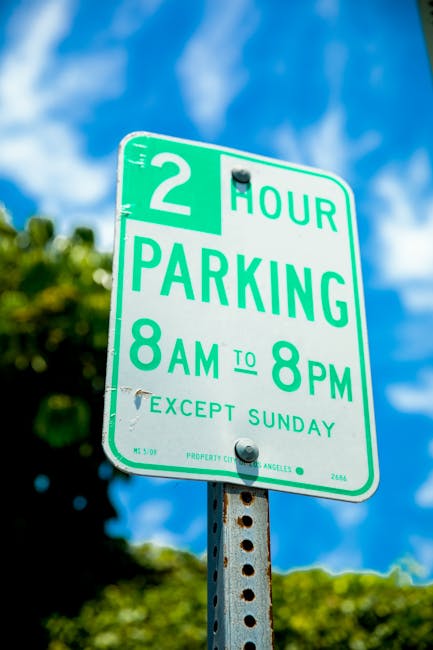
Camden council permit rules for Kentish Town removals: what you need to know before moving day
If you are planning a move in NW5, the Camden council permit rules for Kentish Town removals can feel like one more thing on an already crowded list. Boxes everywhere, keys to hand back, the van booked, a narrow street outside, and then the question hits: do you need a permit, a bay suspension, or just a bit of careful timing? Truth be told, that one detail can make the difference between a calm move and a long, awkward wait with your furniture sitting on the pavement.
This guide breaks down the practical side of local permits, parking controls, loading restrictions, and the small but important details that tend to catch people out. You will learn how the rules usually work in Camden, why they matter in Kentish Town, how to plan a move around them, and what to check before booking removal help. We will keep it plain-English and realistic, because moving day is stressful enough already.
Whether you are moving from a flat near Kentish Town Road, a maisonette off Prince of Wales Road, or a business premises that needs careful loading arrangements, the basics below will help you stay organised and avoid avoidable fines, delays, or last-minute panic.
Table of Contents
- Why Camden council permit rules for Kentish Town removals matters
- How Camden council permit rules for Kentish Town removals works
- Key benefits and practical advantages
- Who this is for and when it makes sense
- Step-by-step guidance
- Expert tips for better results
- Common mistakes to avoid
- Tools, resources and recommendations
- Law, compliance, standards, or best practice
- Options, methods, or comparison table
- Case study or real-world example
- Practical checklist
- Conclusion
- Frequently asked questions
Why Camden council permit rules for Kentish Town removals Matters
Kentish Town is the kind of place where road layout, parking pressure, and delivery access can change the whole mood of a move. Some streets are fine for a brief stop if everything is timed properly. Others are tighter than they look, especially near busy junctions, resident bays, school streets, busier retail stretches, or roads where traffic flow leaves very little margin for error.
The permit issue matters because removal vehicles often need a legal place to stop. If the van is parked where it should not be, even for a short time, you can run into penalty charges, complaints from neighbours, or a move that keeps pausing while someone shuffles the vehicle round the block. Not ideal. And if you are on a schedule, those delays start to spread quickly.
For many households, the real issue is not just a permit itself but the whole access picture: where the van can load, whether a bay needs suspending, whether you need extra time on the meter, and whether the building entrance is actually usable at the time you are due to move. A good moving plan takes all of that into account, not just the booking time.
Practical takeaway: in Kentish Town, the "permit question" is really an access question. If the street is tight, busy, or restricted, plan for parking and loading before you plan for boxes.
To be fair, plenty of moves still go smoothly without drama. But that is usually because someone checked the details early, not because luck did all the work.
How Camden council permit rules for Kentish Town removals Works
While every move is different, the basic process usually follows the same logic: identify the street conditions, confirm whether stopping is restricted, and then arrange the right parking or loading permission for the moving vehicle if needed. In practice, that may involve a parking bay, a visitor permit arrangement, suspension of a bay, temporary parking dispensation, or simply using a lawful loading space at the right time.
Some removals need more than one arrangement. For example, a flat move from a controlled parking zone may need a loading bay plan for the van and a second plan for the van to remain nearby while large items are carried down. If you are moving from a top-floor flat with a narrow stairwell, you may also need a bit more time than you first expected. Stairs are never as quick as people hope. Never.
In Kentish Town, the practical question is usually this: can the removal vehicle stop legally close enough to the entrance for safe loading and unloading? If the answer is no, then you need a different strategy. That could mean booking the move for a quieter time, choosing a smaller vehicle, arranging more porters, or working with a provider that knows the local roads and parking patterns.
It also helps to remember that council rules are only one part of the picture. Private building rules, landlord instructions, and concierge procedures can matter too. A permit may let the van stop outside, but if the building requires a lift booking or loading slot, that becomes part of the move as well. One missed detail can slow the whole job down.
If you are also planning a business relocation, the same principles apply, just with extra pressure on timing. Office moves often involve shared entrances, trade waste areas, or restricted access windows. For a broader look at business moves, you may find the office relocation services page helpful when comparing how different move types are handled.
Key Benefits and Practical Advantages
Getting the permit side right is not about bureaucracy for its own sake. It gives you control, and control is a lovely thing on moving day. Here are the main practical advantages.
- Less risk of delay: the van can load and unload nearer to the property, which keeps the move moving.
- Lower chance of parking problems: you avoid the awkward "just five minutes" stop that turns into a ticket.
- Safer handling: fewer metres between door and vehicle means less carrying, fewer trips, and lower risk of damage.
- Better crew efficiency: movers work faster when they are not wrestling with long carries or circling for parking.
- More predictable costs: fewer delays often mean fewer unexpected charges caused by waiting time or extra labour.
- Less stress for you: the day feels organised instead of improvised, which makes a real difference.
There is also a quieter benefit people often overlook: neighbour relations. A tidy, lawful loading arrangement tends to cause less friction than a van blocking a driveway or sitting in a no-stopping spot with the engine ticking away. In a place like Kentish Town, where streets are busy and people are used to tight urban conditions, that goodwill counts.
If your move involves bulky furniture, appliances, or items that need careful handling, a more structured setup can also help protect the items themselves. For example, moving a fridge, sofa, or bed frame becomes far easier when the vehicle is close and the route is clear. If you need help with those items specifically, the fridge and appliance removal and mattress and sofa disposal pages are useful references for planning what happens to awkward or heavy belongings.
Who This Is For and When It Makes Sense
This matters for anyone moving in or out of Kentish Town where roadside access is not guaranteed. That includes renters, first-time buyers, homeowners, landlords arranging a tenancy changeover, students moving into shared accommodation, and businesses relocating stock or equipment.
You are especially likely to need permit planning if:
- your street has resident parking zones or timed restrictions
- the building sits on a busy road or near a junction
- you are moving from a flat with no private driveway
- the removal van will need to stay close for a while
- there are height, width, or turning limitations nearby
- you need to coordinate with loading bays or parking suspensions
There is also a common scenario where people do not think they need anything because the move is "small." A few boxes, a bed, maybe a wardrobe. But small moves can still need careful parking if the only legal stopping space is down the road. The size of the move and the access issue are not always the same thing.
If you are comparing move types, it helps to think in terms of vehicle size and loading time. A man and van setup might be enough for a lighter move, while larger household or business moves may need a bigger vehicle and more formal parking planning. You can compare options on the man and van and moving truck pages to see which kind of setup suits your move best.
Step-by-Step Guidance
If you want a straightforward plan, use this sequence. It keeps the moving side and the parking side lined up, which is exactly what you want.
- Check the exact address and road conditions. Look at the street outside the property, the nearest legal stopping places, and whether there are timed restrictions or permit bays.
- Work out the size of the vehicle needed. Bigger is not always better. Sometimes a smaller vehicle is easier to park and quicker to load in Kentish Town.
- Confirm whether loading is allowed where you need it. Some streets are fine for short loading only; others need more formal arrangements.
- Coordinate building access. Lift bookings, entry codes, concierge rules, and stair access can all affect timing.
- Plan for the hardest item first. Sofas, mattresses, wardrobes, and appliances usually shape the moving plan more than the boxes do.
- Book early if your move is on a busy day. Fridays, month-end dates, and school holiday periods often create more pressure.
- Build in a margin of time. Let's face it, in London, the street is not always as cooperative as the spreadsheet.
- Keep contact details and key documents handy. If there is a question on the day, you want answers fast.
A sensible way to think about it is this: first decide where the van can go, then decide how long it needs to be there, then decide how the furniture gets from the front door to the vehicle. That order sounds almost too basic, but it works.
If you are also trying to keep the move affordable, see the pricing and quotes page and the guide on avoiding hidden removals fees in Kentish Town moves. Access issues can affect cost, so it is better to know that upfront than discover it midway through a staircase.
Expert Tips for Better Results
Here is where small judgement calls make a big difference. These are the sorts of details that experienced movers tend to watch for before the van even arrives.
- Choose the quietest practical time. Early morning or another lower-traffic slot can make it easier to stop legally and complete loading without standing around.
- Measure awkward items first. If a sofa or wardrobe needs to be angled out through a tight hall, that affects timing and vehicle choice.
- Check the route from property to van. A short distance can still be difficult if there are steps, narrow gates, or uneven pavement.
- Use labels on boxes. It speeds up loading and unloading, which helps if the parking window is tight.
- Keep essentials separate. Documents, chargers, medication, and keys should never end up buried in a box at the bottom of the load.
- Ask about access before booking. A quick conversation about parking, bay width, floor level, and entry restrictions can save a lot of grief.
A tiny human moment here: we have seen people spend forty minutes searching for a lift fob while a perfectly good van waits outside with its hazard lights on. It happens. More than people admit. So keep the basics together in one bag and you will already be ahead.
If you are moving household contents and need help with packing as well, the packing and unpacking services page may also be useful. It is often the packing side that decides whether a move feels calm or chaotic.
Common Mistakes to Avoid
Most moving problems are avoidable, and the repeat offenders are pretty predictable.
- Leaving parking planning until the last minute. This is the biggest one, and it causes a surprising amount of stress.
- Assuming the van can simply stop anywhere for five minutes. In restricted areas, that assumption can be expensive.
- Forgetting about the return route. A van may be able to stop at the start, but if it has to leave and come back, the same access issue applies again.
- Underestimating loading time. Heavy furniture, stairs, and poor access all stretch the clock.
- Not checking for building rules. Private blocks sometimes have stricter procedures than the street outside.
- Booking the wrong vehicle size. Too small means more trips; too large means parking headaches. Neither is fun.
Another common one is forgetting that a move can involve more than furniture. Disposal items, old appliances, and recycling loads need their own planning. If you have items to clear, the recycling and sustainability page and the hazardous waste disposal page are worth a look before moving day. You do not want to discover at the kerbside that something should have been handled separately.
Tools, Resources and Recommendations
You do not need fancy kit to manage a move properly, but a few basics help a lot.
- Phone camera: take photos of the street, bay markings, and any access constraints before moving day.
- Measuring tape: useful for doors, hallways, stair turns, and large furniture.
- Marker pens and labels: keep boxes organised, especially if access is tight.
- Notebook or digital notes: track key timings, access codes, and contact details.
- Protective covers and straps: especially useful for long carries or stair-heavy moves.
- A simple floor plan: helpful if items need to go into specific rooms quickly.
In terms of service planning, it helps to compare what is included rather than focusing on headline price alone. Does the quote assume easy parking? Does it include carrying from a distance? Does it account for dismantling, wrapping, or appliance handling? Those little details change the whole picture.
For move booking and scheduling, the book online page is a practical starting point if you already know your date and want to keep things moving quickly. If you are still in the research stage, you may also find the local moving advice on the NW5 removals guide for Kentish Town road moves useful for understanding street-level challenges.
Law, Compliance, Standards, or Best Practice
For removals in Kentish Town, the safe approach is to treat parking and loading as a compliance issue, not a convenience issue. Local road restrictions, controlled parking zones, yellow lines, loading exemptions, and any building-specific conditions can all affect what is allowed. The exact rules depend on the location, time of day, and the type of restriction in place.
That means you should never assume that "just for a minute" is acceptable. If a street is signed, controlled, or monitored, the vehicle must comply with the conditions in force. The same goes for any private estate or managed building. Best practice is simple: confirm before you commit.
It is also wise to follow general moving and safety standards on site. Secure lifting, proper handling of heavy items, clear walkways, and sensible loading order all matter. If you are moving commercially, safe procedures become even more important because staff, visitors, and shared spaces may be involved. You can read more about those expectations on the health and safety policy and insurance and safety pages.
Where waste or disposal is involved, be careful about separate obligations. Some items should not be left with general rubbish, and some materials may need special handling. In practical terms, that means checking what can be taken together and what needs to be split out. The what can go in a skip page is a useful reference point for understanding the sort of material that often needs extra thought.
Options, Methods, or Comparison Table
There is no single "best" way to handle a Kentish Town move. The right choice depends on access, volume, timing, and how much time you want to spend managing the logistics yourself.
| Option | Best for | Pros | Watch-outs |
|---|---|---|---|
| Small van with careful loading plan | Light to medium moves, tight streets, short-distance jobs | Easier to park, flexible, often quicker in busy roads | May need more trips if volume is underestimated |
| Larger removal truck | Full household moves or larger business relocations | More space, fewer runs, efficient for bulky loads | Harder to park and may need more formal access planning |
| Full packing and removal service | Busy households, delicate items, time-sensitive moves | Less stress, better organisation, more support | Usually needs more lead time and a clearer briefing |
| DIY move with hired vehicle | Budget-conscious movers with flexible timing | Lower cost on paper, full control over schedule | Higher personal effort, more risk if parking is underestimated |
The right method often comes down to access more than volume. A half-full van on a cramped road can be harder to manage than a fuller van on a quiet street. That sounds backwards, but it is true. Space outside matters almost as much as space inside.
Case Study or Real-World Example
Imagine a flat move from a third-floor property in Kentish Town on a weekday morning. The tenant has a sofa, a bed, several boxes, and a couple of appliances to move. The street has limited stopping space, and the nearest legal parking bay is already busy early on.
Without planning, the van might arrive to find nowhere convenient to stop. The crew then has to wait, circle the block, or park farther away than expected. That adds time, increases carrying distance, and makes the job more tiring for everyone. By the time the last box is loaded, the day already feels longer than it should.
Now compare that with a move where access is checked in advance. The vehicle chosen is suitable for the street, the loading window is understood, the building entry is ready, and the furniture is listed in the right order. The crew can work steadily. The move still has all the usual moving-day noise and lifting, of course, but the stress level is much lower. You hear the tap of boxes being stacked, the lift doors opening and closing, and then it is done. Cleaner. Quieter. Better.
That is the real value of planning around Camden council permit rules for Kentish Town removals: not the paperwork itself, but the smoother rhythm it creates on the day.
Practical Checklist
Use this checklist before moving day. It is simple, but that is the point.
- Confirm the exact moving address and postcode
- Check street restrictions and any loading limits
- Decide whether a permit, suspension, or timed loading plan is needed
- Choose the right size van or truck
- Measure the largest items and the access route
- Arrange building access, keys, lift bookings, or entry codes
- Label boxes and separate essentials
- Confirm whether any items need disposal or special handling
- Allow extra time for parking and carrying
- Keep contact numbers ready on the day
If you can tick those off, you are already in a much stronger position than most people. Honestly, that shortlist saves more hassle than any clever trick.
Conclusion
Camden council permit rules for Kentish Town removals are worth understanding because they shape the whole move, not just the parking spot. Once you know how local access, loading, and roadside restrictions fit together, everything becomes easier to coordinate. The van arrives with a plan, the team knows where it can stop, and you are less likely to spend the morning improvising on the pavement.
That is really the heart of it: move with the street in mind, not just the boxes. A bit of planning now can save time, money, and a surprising amount of stress later.
Get a free quote today and see how much you can save.
If you are preparing a Kentish Town move and want help choosing the right setup, comparing access options, or lining up a practical moving plan, take the next step while the details are fresh. A calm move usually starts with one sensible decision, and this is probably it.
Frequently Asked Questions
Do I need a permit for a removal van in Kentish Town?
It depends on the exact street, the parking controls in place, and how long the van needs to stop. In some locations, a short legal loading stop may be enough. In others, you may need a permit, bay suspension, or another arrangement. The safest approach is to check the address early.
How far in advance should I check Camden council permit rules for Kentish Town removals?
As early as possible. A few days can be enough for simple moves, but busy streets, controlled parking areas, or larger vehicle needs are best reviewed well before moving day. Leaving it until the night before is asking for trouble, to be fair.
Can a removal van stop on double yellow lines in Kentish Town?
Not automatically. Loading exemptions may exist in some circumstances, but they are not something you should assume without checking the exact restrictions, time of day, and local conditions. If in doubt, plan for a lawful alternative.
What happens if there is no parking space near my property?
You may need a smaller vehicle, a different time slot, more porters, or a more formal parking arrangement. Sometimes the best solution is not a bigger truck but a better access plan. That is especially true in tighter streets.
Are Kentish Town flats harder to move than houses?
Often, yes, because flats can mean stairs, lifts, entry systems, and limited stopping space outside. Houses can be easier, but not always. A terraced street with no nearby parking can still be awkward. Access beats property type every time.
Does the size of the van affect permit needs?
Yes, it can. Larger vehicles usually need more space and are harder to place in a restricted street. A smaller van may fit the access better, even if it means more careful loading. The practical choice depends on the route, not just the load.
What if my building has its own moving rules?
Then those rules matter too. Lift bookings, loading slots, concierge instructions, and quiet hours can all affect the move. In real life, building rules and council rules often need to work together.
Can I combine moving and disposal on the same day?
Often yes, but only if the items are suitable and the plan is clear. Bulky waste, appliances, and certain materials may need different handling. If you are unsure, separate the disposal side of the move so it does not slow the main job down.
Will a permit guarantee a smooth move?
No, but it removes one big variable. You still need to think about access, timing, weather, stairs, building rules, and the actual volume of belongings. A permit is helpful, but it is not magic. Would be nice though.
What is the best way to make a Kentish Town move less stressful?
Plan the parking first, then the loading route, then the packing order. Keep essentials separate, check access early, and choose the right vehicle size. That simple sequence solves more problems than people expect.
Where can I find more practical moving information for Kentish Town?
The local blog content on this site covers access, pricing, booking, and moving-day planning in more detail. If you are still comparing options, start with the practical guides and build from there. A little prep goes a long way, especially on a busy London street.